
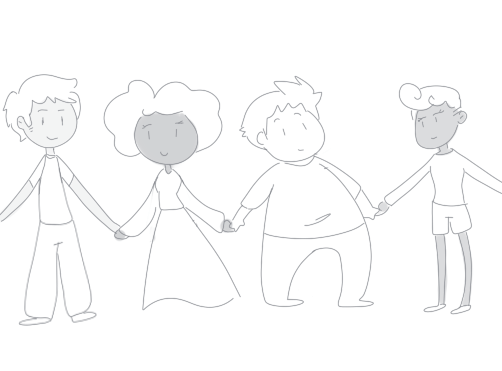
As writers in this modern day and age, we have a social imperative to be more diverse in our work. When a conversation I had with a family member over the dinner table sparked into a heated argument over whether or not James Bond could acceptably be cast as anything other than caucasian and male, I knew that it was time for a change in the way we approach not only diverse casting (shoutout to Lin-Manuel Miranda’s excellent production, Hamilton) but also the writing of diverse roles.
Continue reading “Demonstrating the Importance of Diversity”
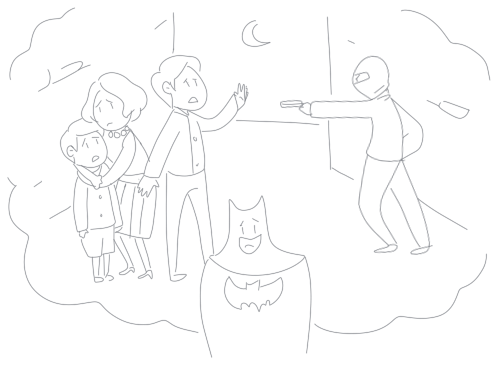 If repetition is the highest form of flattery, then is a rebooted movie franchise of an already rebooted movie franchise the godliest form of all? And, if so, should we be impressed that Hollywood still has it in them to make another Spiderman movie? Unlikely.
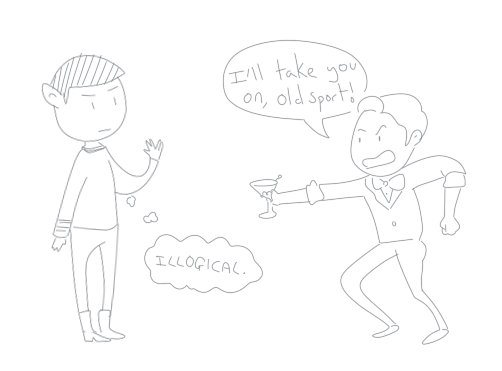 It’s been noted many times over that genre fiction is typically excluded from that highly sought after ‘literary fiction’ label, but the question that I would love to know the answer to is – why? In a time when Game of Thrones and The Walking Dead are amongst the top rated television shows currently airing, why are these genres still being passed over as if they somehow hold less merit? What precisely is it that defines true literature?
 Though a spiderwort by any other name would indeed smell lovely, there’s every chance that nobody would give it the time of day because of it’s hideous name. Which brings me to my talking point today: Names. Not only are character names important, but place names and book titles too. The best names are the kind that hold subtle double-meanings or inspire associations that relate to characteristics, personalities or plot elements of the book, person or place.
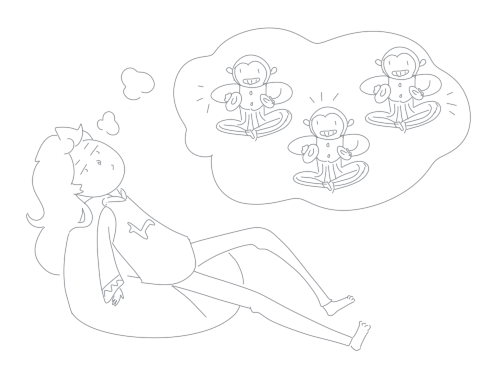 When you get stuck in the mud and you can’t seem to think of any good ideas to write, it can be easy to fall into a very unproductive spiral. Luckily, there are resources out there to combat writer’s block and there are many ways in which we can trick our mind into being more creative than it wants to be. Here’s just a few examples: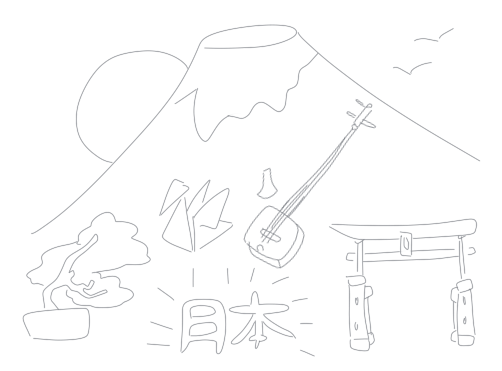
 One of the things I’m often quizzed about as an author is ‘C.S, why do you choose to write about cultures and countries that you’ve never been to?’ And the answer is far simpler than you’d imagine. From as early as 8-years-old, I always considered myself to be a writer of fantasy and science fiction (before I heard the umbrella term of speculative fiction at least) and couldn’t understand why anybody would want to write about something as ‘boring’ as the real world. However, after a few months working in retail, I soon discovered that the old adage was most certainly true: reality is far stranger than fiction.
 C.S.Bilsborrow